A fence appears basic up until it stops working. I have stood in way too many Melbourne yards detecting leaning blog posts, inflamed gates, and wavy lines of panels that never ever must have passed the eye examination. The majority of house owners think a fencing is timber or steel and a few bags of concrete. In truth, a great fence is a system tuned to website conditions, material habits, neighborhood laws, and the difficult lessons you only learn after years on the tools. If you are comparing quotes from a Fence Company Melbourne homeowners recommend, or planning component of the work on your own, comprehending where jobs fail will save you money and headaches.
This overview outlines the errors I see usually across the city: sandy bayside dirts that swallow shallow articles, responsive clays that relocate with the seasons, entrances that sag due to the fact that the geometry was wrong from the first day, and border lines guessed as opposed to checked. I will likewise cover context that matters here, like wind rankings in the western suburbs, salt direct exposure near the bay, and exactly how a Melbourne Fencing Company should select equipment that endures our climate cycle.
Why fences fail early
Most failures trace back to a chain of little, avoidable options at the beginning. The blog post holes were undersized, the concrete was blended also wet, the rails were spaced by eye, or the contractor really did not account for slope. On a brand-new construct in Craigieburn, I checked a colorbond fencing that leaned after its very first wintertime. The building contractor made use of 450 mm deep post openings in highly reactive clay. When the ground swelled, it lifted the concrete plugs like corks. The fence slanted, split at the rail links, and needed eight posts re-set to 700 mm with bell bases and crushed rock collars for drainage.
The evaluation instructed 2 lessons. Initially, the soil dictates footings, not the calendar or the budget. Second, setup faster ways show quickly when weather and soil relocate contrary directions.
Reading your site before selecting materials
Melbourne's geography places extremely various conditions within a short drive. A Fencing Company Melbourne residents trust fund must have the ability to walk your site and talk through these trade-offs in ordinary terms, not just factor at a shade chart.
- Bayside residential areas from Port Melbourne with Seaford: sea air brings salt that attacks uncoated steel. Use colorbond or powder-coated light weight aluminum with marine-grade fasteners. Seal cut edges effectively. Hardwood can last, however specify stainless correctings and keep oiling. Western suburban areas like Werribee, Tarneit, and Melton: winds are stronger and a lot more consistent. Fences need much deeper blog posts, lower panel heights or even more supporting, and larger scale steel if choosing colorbond. Inner-north clay belts: Coburg, Preston, Tank sit on responsive clay. Design grounds to decrease heave stress. Consider messages embeded in a drier blend with drain aggregate and geotextile sleeves. Leafy eastern suburbs: even more tree roots and shielding. Hardwood fencing bases stay moist, promoting rot. Keep rails off the soil, take into consideration concrete plinths or steel posts with timber infills.
A Melbourne Fence Company that recommends the same message deepness and gauge across all sites is signaling inexperience. Ask what they learned on their last task two roads over. If the answer is common, keep looking.
Boundary lines and legal headaches
A fence can be completely constructed in the incorrect location. I have actually seen neighbors spend extra on attorneys than the fencing itself because somebody counted on a fading paling line as a limit pen. In Victoria, both neighbours share duty for a dividing fence under the Fences Act 1968 (with changes). Councils will not clear up disputes, and fence specialists are not surveyors.
If your home is new, or the old fence line looks ad hoc, get a title re-establishment study. It is not economical, yet moving a fencing later on is worse. On a condominium job in Brunswick, the initial paling fencing rested 180 mm inside the client's whole lot. We flagged it early, generated a land surveyor, and reset the line. The next-door neighbor thanked us when he realized he acquired a neat strip of dirt he had been preserving for years.
A specialist Fencing Company will include an allowance for small line adjustments and will certainly note the line with strings and set-out pegs prior to digging. If a neighbour items, pause. Do not begin excavating to keep to a routine. A day's delay is much better than a VCAT hearing.
Footings: depth, shape, and mix
Post grounds are where several Melbourne fences fail. The blunder is twofold: not going deep enough and making use of the incorrect concrete approach for the soil.
- Depth: for typical 1.8 m fencings, I aim for 650 to 800 mm relying on wind exposure and soil. In sand, go deeper and think about a flared bell at the base. In responsive clay, a tipped or belled base resists uplift. Diameter: 250 to 300 mm for 65 to 75 mm blog posts is an usual spec. Broader bases provide better bearing. If you remain in high wind zones or utilizing larger panels, boost diameter rather than counting only on depth. Mix: nabbed message mix is practical, but many installers make it also wet, which damages the set and shrinks much more. In clay, I favor a drier, hand-compacted mix with a crushed rock collar at the top to break capillary activity and dropped water. In sandy dirts, a wetter blend with a roughened opening wall boosts bond. Drainage: water pooling at the article base creates timber rot and steel deterioration. Crown the top of the concrete above the ground line and leave a mild loss away from posts.
On a job in Hoppers Crossing, a home owner called after 3 colorbond panels popped in a strong northerly. The fencing made use of light-weight blog posts and cool, tiny plugs of concrete flush with the dirt. We changed sections with much deeper, belled footings, crowned them, and included a gravel skirt under the panels to decrease wind suction at ground level.
Respecting incline and step-down strategy
Melbourne blocks are not flat. A fencing that looks straight from one angle can be a sawtooth from one more if you neglect terrain. 2 installation patterns prevail: raked and tipped. Raked panels comply with the incline with identical top and bottom lines, developing an angled appearance throughout each bay. Tipped panels remain level and decrease at posts, producing a staircase profile.
Problems emerge when a contractor attempts to force degree panels right into a steep grade with big, uneven gaps at the bottom. Family pet escape, dirt washes out, and it looks careless. The other side is a raked colorbond panel where the sheet ribs transform height and leave triangular voids at the ends.
A great Melbourne Fencing Company will stroll the line, procedure fall over each bay, and select the least visible option. Often the most effective outcome mixes both: action throughout the high sections, rake carefully where the fall is minor, and mount cured plinths or sleepers to close ground voids. If that is settled on ahead of time with illustrations, you stay clear of "that is not what I visualized" arguments.
Gate droop: even more design than hardware
People blame hinges when gates sag. In practice, a gate stops working due to geometry and framework, not the joint brand name. The most typical mistakes consist of overspanning a light-weight framework, hanging a gate on a single message that already holds fencing tons, and ignoring swing arc and lock alignment over time.
For a 1.2 m pedestrian gate in lumber, make use of an appropriate bonded steel structure or at the very least a full angled support from the bottom latch side to the top hinge side, secured via strong timber with screws, not screws right into end grain. On colorbond or light weight aluminum, match eviction frame gauge to the fence posts. If wind direct exposure is high, think about an additional joint and a locking drop-bolt to soothe stress.
On a gusting edge in Point Prepare, we replaced a 1.5 m vast side entrance that had chewed via 3 sets of hinges in two years. The solution was not much heavier hinges. We divided the opening right into two narrower fallen leaves, added a main drop-bolt receiver, and moved the latch to eliminate torsion. The house owner called after the next tornado to claim the fence still made noise, however evictions did not move.
Material selection with Melbourne's environment in mind
Timber, steel, aluminum, and composite each have their place. The appropriate option relies on appearance, budget plan, and upkeep appetite.
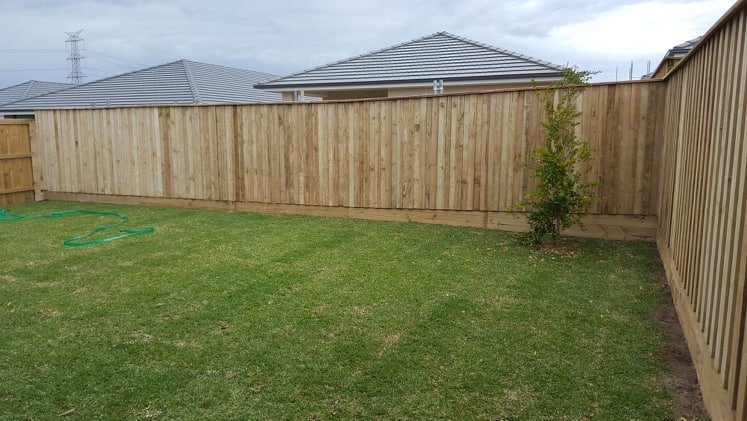
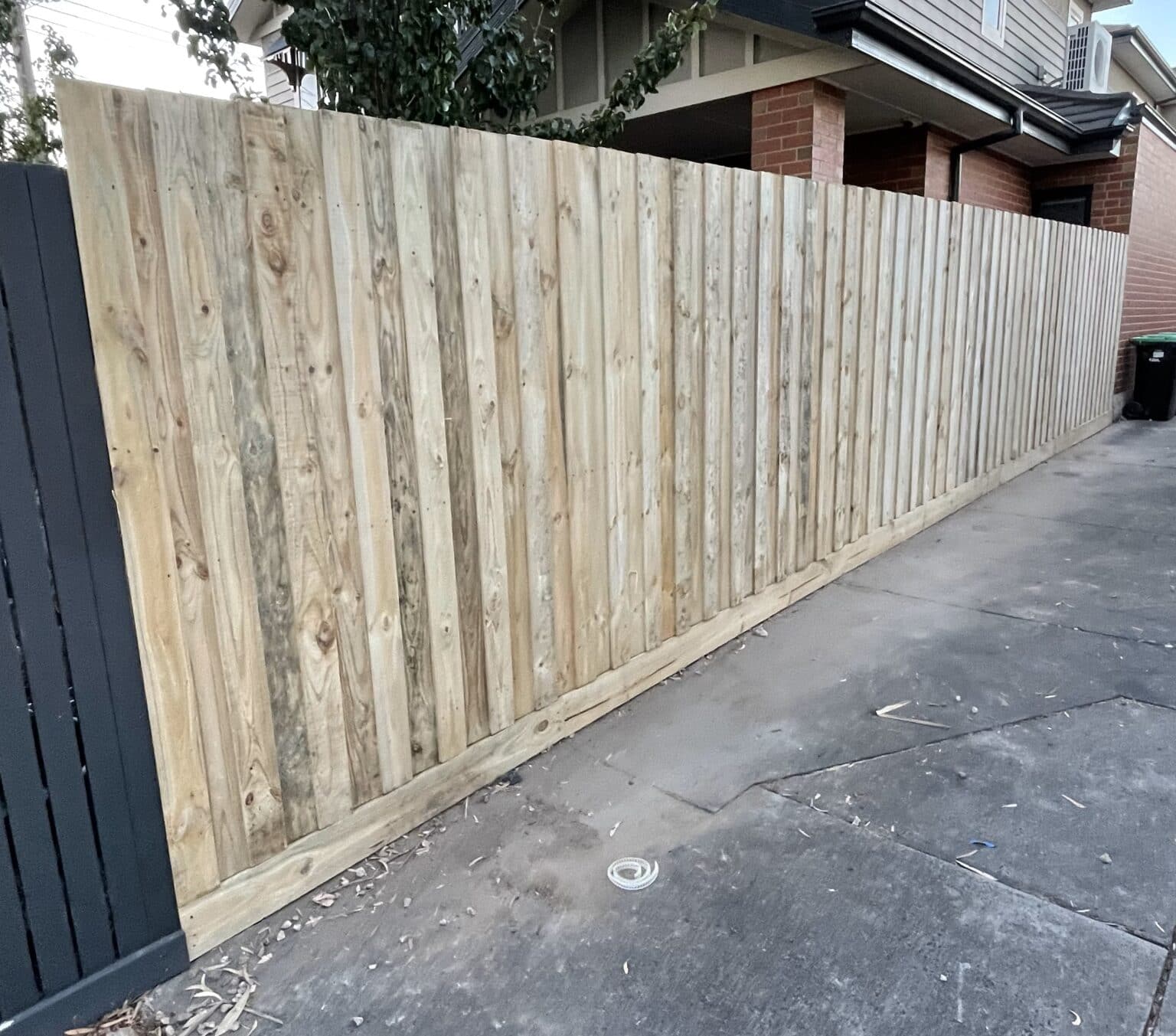
Timber paling fencings are common and affordable, yet they are the least forgiving of errors. Usage kiln-dried treated crave rails and palings with the therapy level appropriate for ground contact where suitable. Keep rails off dirt, and room palings with a constant 10 to 12 mm void if air circulation is essential. If you desire privacy right now, double paling or lapped palings work, yet they are heavier. The messages must be sized and footed accordingly. Hardwood posts last longer than treated want yet cost even more and require appropriate pre-drilling to prevent splitting.
Colorbond steel is prominent throughout Melbourne for privacy and reduced upkeep. The blunder below is making use of off-brand sheets with thin coverings, not sealing cut edges, and using zinc-only fasteners near the bay. Match panel elevation and post gauge to wind direct exposure, and seal the lower rail so debris does not catch moisture. Shade selection affects warmth; dark colours can make surrounding paths warm and exacerbate development sounds on hot days.
Aluminum slats or battens give a modern-day appearance and stand up to deterioration, yet they can rattle if the periods are lengthy and dealings with sparse. Use rubber inserts or anti-rattle repairings. Check neighborhood guidelines for pool locations; slat spacing have to satisfy security regulations.
Composites differ extensively. The blunder is treating them like hardwood, over-screwing, or neglecting supplier growth gaps. In direct western sunlight, composites can increase a couple of millimetres per metre. If your Melbourne Fencing Company can disappoint set up guides and ended up regional instances that are at the very least a number of years of ages, be cautious.
Handling wind: style, not hope
Wind remove fencings that were great for many years and afterwards stop working in one poor storm. The western plains and seaside sides are the usual suspects. Responding to wind is not simply deeper posts. Think about absorptive sections near corners, reduced panel height, or transforming positioning of slats to decrease resistance. At corners, make use of larger messages and triangulate lots. A fencing that dog-legs around a yard requires bracing at the returns, not simply a single corner post.
We enhanced an edge fence in Altona by upgrading the edge message to a 100 mm steel with a 900 mm deep footing and added a short return panel with a hidden brace. The customers disliked the concept of thicker steel in the beginning, yet the visual distinction was minor compared to the toughness gained.
Concrete, dampness, and timber movement
Melbourne's damp winters and dry summer seasons move wood. If the rails are environment-friendly and the palings completely dry, everything will certainly change in the initial year. To keep a cool line:
- Stagger joints and keep rail joins over messages with proper fishplates or brackets on steel. Nail patterns matter. Usage two nails on top and facility rail, one at the bottom to allow slight movement without splitting. For hardwood palings, pre-drill near edges. Oil or paint revealed timber tops. Water wicks down the grain and shortens life, particularly on capping.
Concrete plinths or sleepers at the base are prominent for keeping a little fall in the ground or safeguarding palings. The blunder is using them as keeping wall surfaces beyond their ranking. If you require to hold back greater than 200 to 300 mm of soil continually, utilize appropriate crafted maintaining with steel H-posts and thicker sleepers. Anything else will certainly bow and fracture, and you will certainly be back to repair it faster than you would like.
Working around services
Hitting a gas line or electrical conduit while digging a blog post opening damages everyone's day. Dial Before You Dig is not optional. In well-known residential areas, old clay sewage system lines meander, and stormwater extensions do not constantly match plans. A mindful Melbourne Fencing Company will certainly pothole by hand near presumed lines and change footing settings or use offset plates to avoid services.
In Elsternwick, we shifted three fencing blog posts by 150 mm to remove a shallow stormwater. The adjustment indicated a customized panel width, which added a little manufacture time. It was still much cheaper than cutting, re-routing, and re-permitting drainage.
Noise, neighbors, and finishing touches
A fencing can be constructed to spec and still discourage due to noise or unpleasant finishing. Loosened covering, rattling slats, and gates that bang in wind are avoidable. Usage nylon washers with metal mendings where resonance is most likely. On colorbond, insert anti-rattle foam where sheets fulfill leading and lower rails if the website is exposed. Keep bolt lines straight. Misaligned screws are the fingerprint of a rushed crew.
Neighbours appreciate a clean site. Remove concrete spoil, rake the dirt, and, if pet dogs are present, mount a short-lived barrier till the ground works out under gates. A last walkthrough that inspects latch elevation, article plumb, and panel positioning takes 10 mins and protects against call-backs.
Permits, heights, and what councils in fact care about
Most border fences up to 2.0 m in residential areas do not need a structure permit, but there are exemptions. Corner blocks with sightline requirements, swimming pool obstacles, and heritage overlays all transform the regulations. Repainting a side of a fencing might be limited in heritage locations. Pool barrier guidelines are strict and audited. Do not blend swimming pool secure fencing with a limit fence without inspecting elevations, climbable aspects, and latch positions.
An advanced Melbourne Fencing Company gains its maintain by navigating these regulations, not by overlooking them. If a contractor shakes off compliance inquiries, that is a warning.
What a reputable quote looks like
A professional quote from a Fencing Company Melbourne property owners can trust checks out like a little scope file. It names products by grade or brand name, lists blog post sizes and depths, includes disposal and clean-up, and notes that deals with licenses or studies. It must deal with site specifics: dirt problem, incline, water drainage, and any kind of tree root management. Provisionary amounts need to be restricted and clear, such as an allowance for rock excavation or solution avoidance.
Beware of quotes that only claim "1.8 m hardwood fence, supply and mount" with a lump sum. Those typically expand with variants, and you will suggest about the finish top quality. In-depth quotes decrease disputes since everyone settles on what is being built.
When to push back on a contractor
You do not need to micromanage a team, yet there are moments to stop the work. If the messages go in and you can see a visible zigzag from end to end, request for a string line check. If the gate opening was framed without measuring your real entrance hardware, stop and arrange it. If rain beginnings and the crew keeps putting really wet concrete to work much faster, inquire to stop. A fence must last 15 to 25 years depending upon products. A day's hold-up to do it ideal is absolutely nothing over that timeline.
A practical pre-installation checklist
Use this short listing before the very first opening is dug. It is not extensive, however it covers the problems that cause most call-backs.
- Confirm boundary line with pegs or a survey where doubtful, and have next-door neighbor arrangement in writing. Specify article size, footing deepness and diameter, and concrete technique based upon website dirt and wind. Agree on step or rake strategy for slopes, including plinths or sleepers where needed. Select materials suited to microclimate: aquatic fasteners near the bay, much heavier blog posts in wind areas, right timber therapy levels. Plan entrance sizes, hinge and latch hardware, and turn direction with clearances for paving, meters, or bins.
Aftercare that actually matters
The initial year is when most movement takes place. For hardwood, expect some contraction and the occasional paling that cups. A good installer will return for a quick tune-up if you flag little problems early. Maintain plant life off the fence line. Creeping plants look beautiful for a while, then trap wetness and lift topping. For colorbond, tube down salt at the base every couple of months if you are near the coast, and keep soil from developing against the sheets. Tighten loosened entrance hardware yearly and oil locks with dry lube so grit does not cake.
I once had a customer in Sandringham who cleaned up the seaward face of his colorbond fencing with fresh water after gusty days. Ten years on, the coating still looked virtually new. The next-door neighbor's side, entrusted to salt and overlook, showed chalking and corrosion along the base.
Choosing a partner, not simply a price
The least expensive quote is commonly a handful of faster ways concealed in a cool number. Look for a Melbourne Fencing Company that welcomes technical concerns, describes their options, and referrals local jobs you can watch. If they determine threats on your site without being prompted, that is a solid indicator. If they lug the ideal insurances, supply a clear timetable, and detail a guarantee that speaks to materials and handiwork, you will likely have a smoother build and a fencing that lasts.
A fence does peaceful work, marking boundaries, keeping youngsters and pets safe, and giving personal privacy without requesting focus. When it is constructed properly, it goes away into your every day life. When it is not, you will certainly see it every gusty evening or when the gate scratches after the first rainfall. Deal with a secure fencing expert who treats design, site conditions, https://canvas.instructure.com/eportfolios/3506290/sergiodtnc697/taking-full-advantage-of-security-with-high-quality-colorbond-steel-fences and finishing with the respect they are entitled to. Whether you work with a Melbourne Fence Company for the entire task or handle components on your own, prevent the common blunders at the start and you will hardly ever think of your fence again, which is the most effective end result of all.